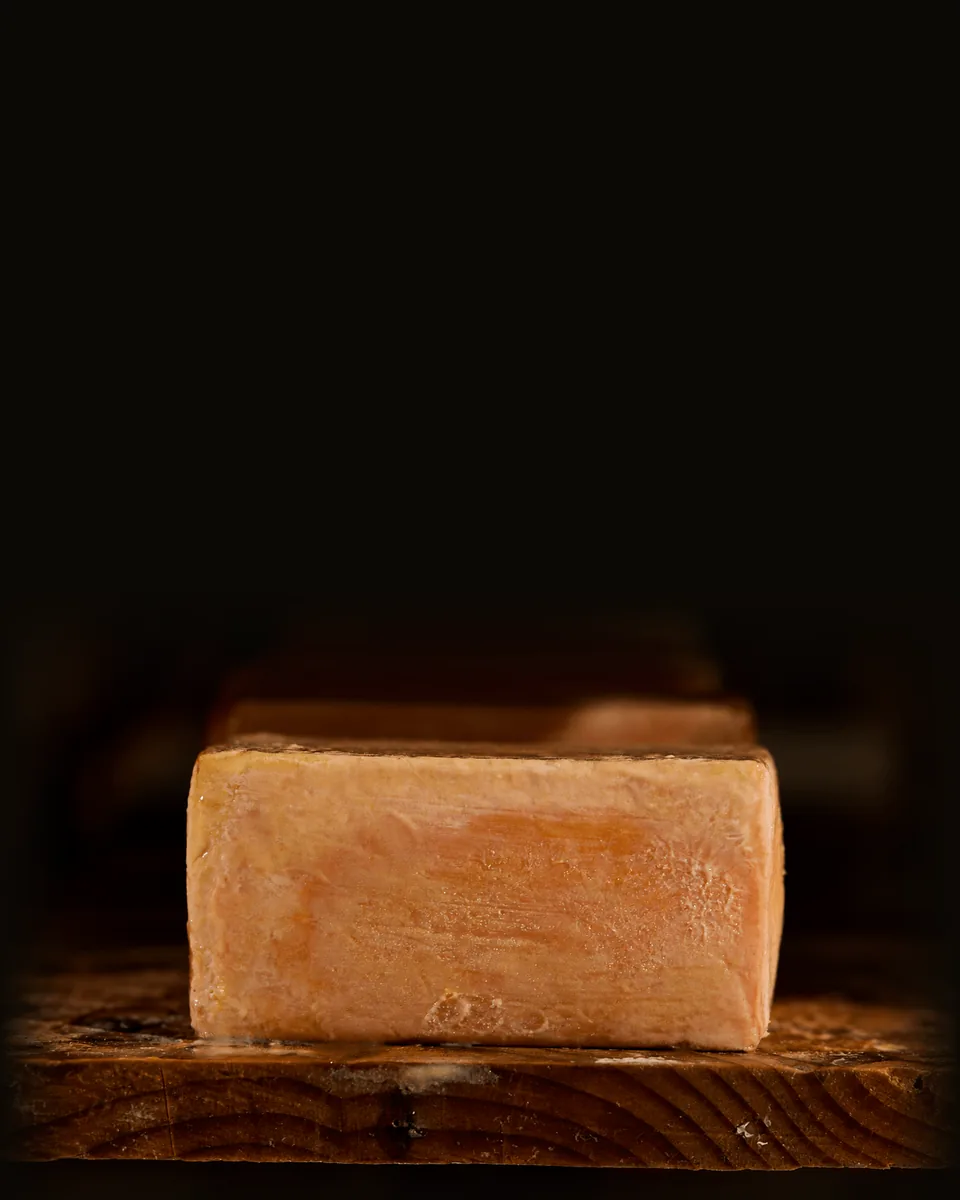
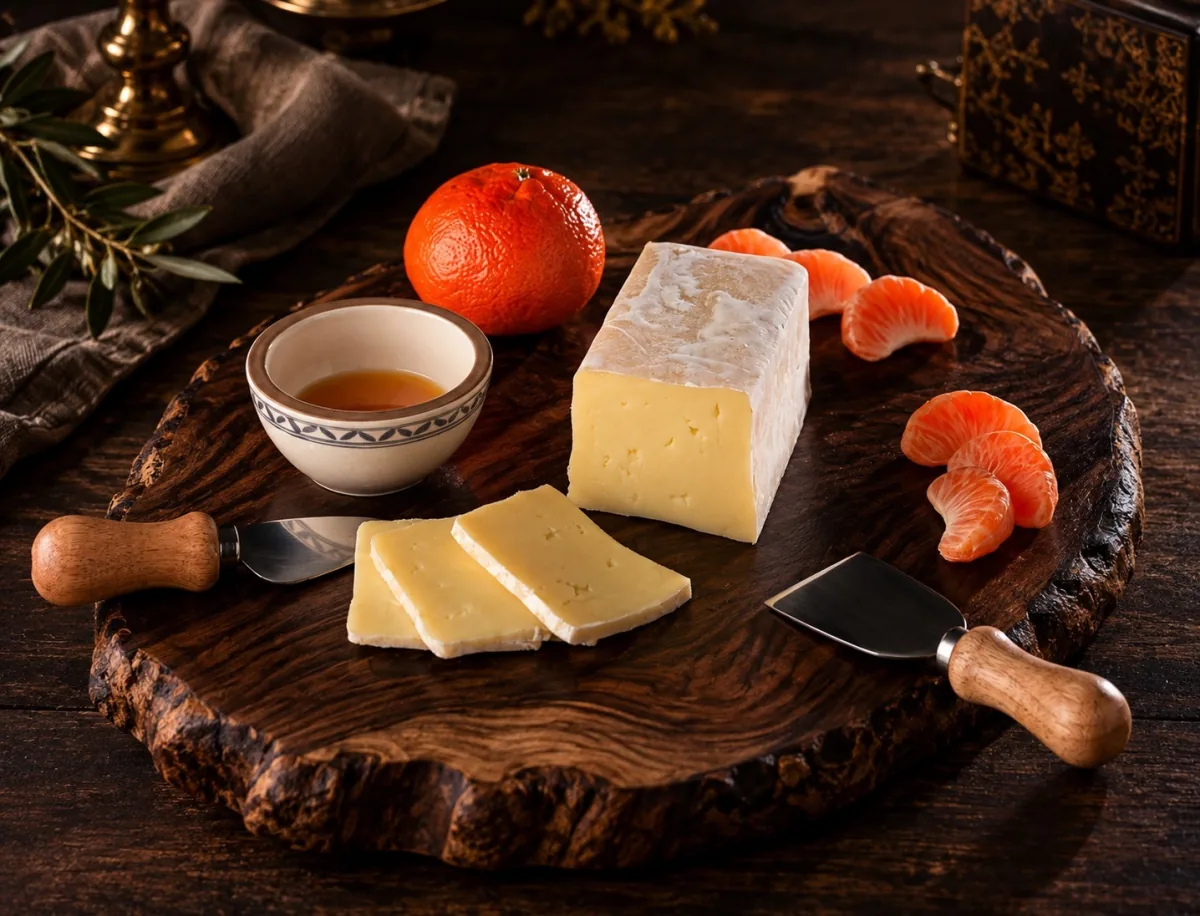
Grota ȚagaCow’s milk cheese
Matured for 30 days

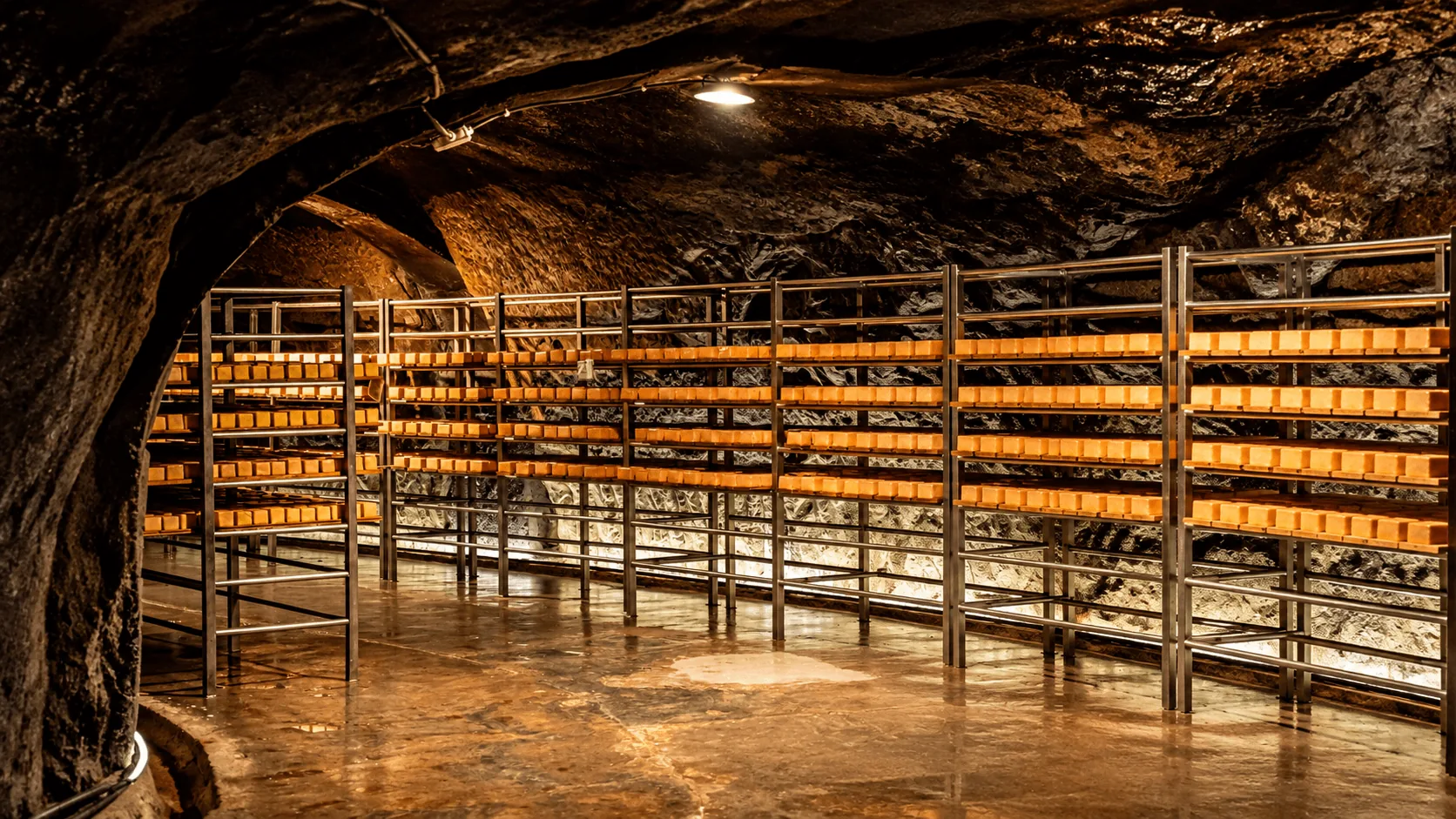
In the heart of Transylvania lies a natural cave that has produced, for over a century, one of the most extraordinary cheeses in Europe.
A microclimate of its own
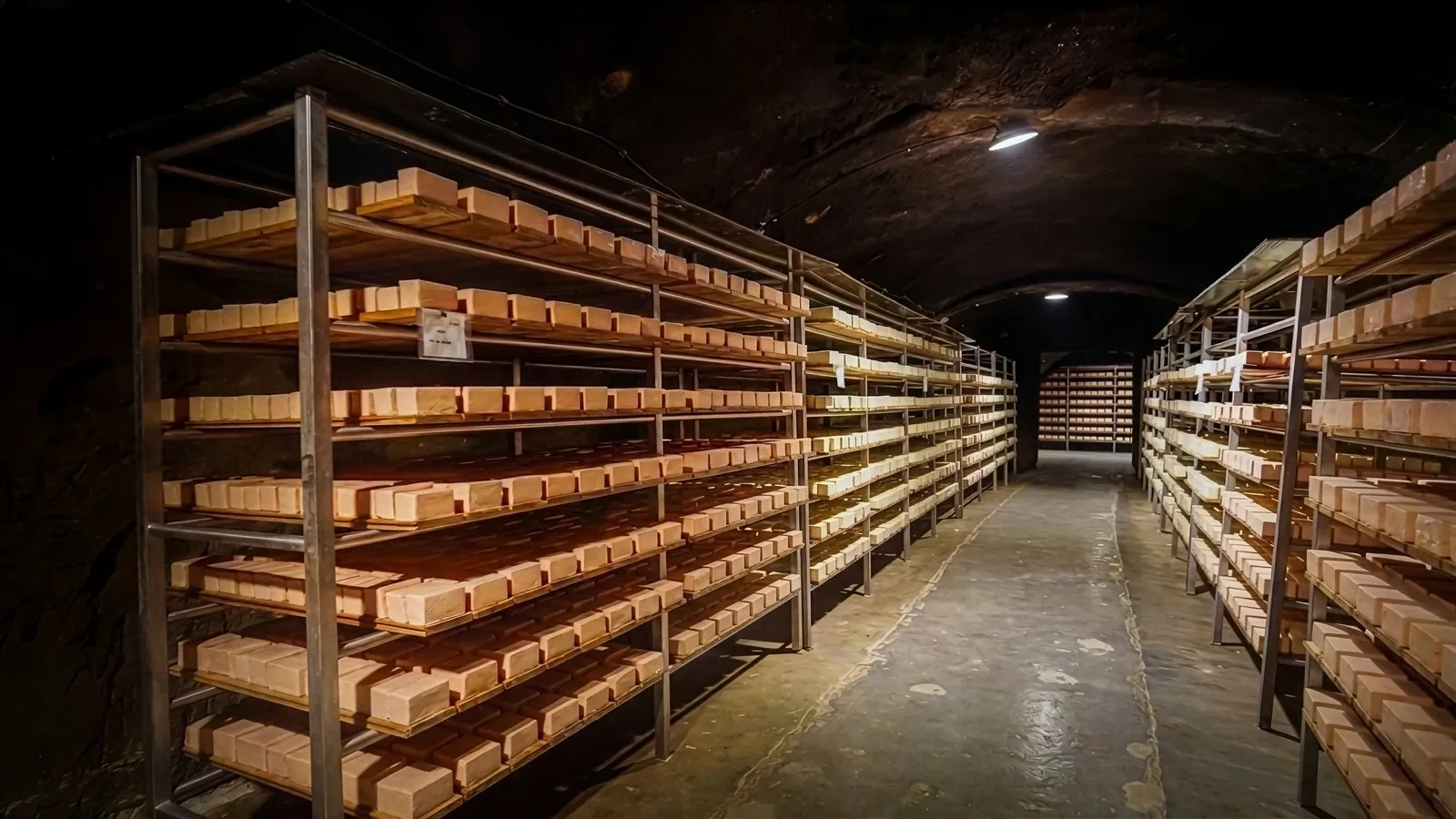
The constant temperature, high humidity, rock and natural microflora form the environment in which the cheese matures.
Together, these conditions define the Țaga terroir and create the distinctive environment in which the cheese matures and develops its character.
A microbial community lives naturally on the cave walls. Research has primarily identified Micrococcus and Corynebacterium, alongside Brevibacterium linens.
During maturation, microbiological and biochemical processes contribute to the development of the cheese’s texture, surface and aromas.
Study: Criste et al., PLOS ONE, 2020.
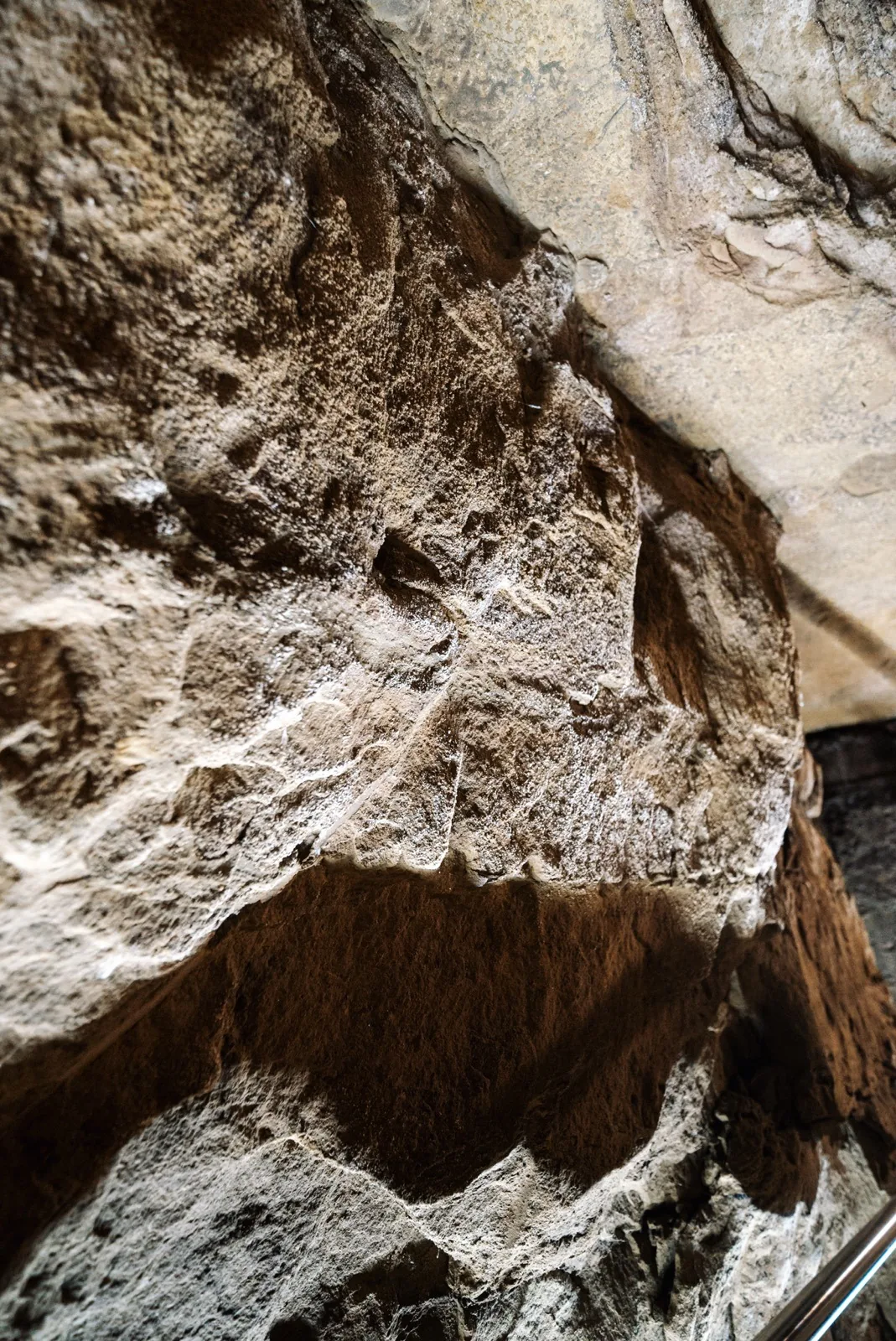
The recipe can be studied.The process can be understood.The cave cannot be copied.
That is the essence of Grota Țaga.
Grota ȚagaTransylvaniaRomania
The estate where Grota Țaga is located passes into the ownership of the Schilling family. János Schilling and, later, his son Ottó are associated with the development of cheese production on the estate.
Historical sources associate cheese from Grota Țaga with a Gold Medal at the Universal Exhibition in Paris.
After nationalisation, production continues in Țaga. From 1954, a facility built in the village produces the cheese, which continues to mature in the cave until the factory closes in 2013.
After a brief interruption, production resumes in Țaga.
The factory enters a new phase of investment and reconstruction. Today, the cheese returns under the Grota Țaga identity, in cow’s milk and buffalo milk varieties.
Grota ȚagaTransylvaniaRomania
Shaped by nature. Defined by time.
A rare cheese, born in a cave, unlike any other.
Matured for 30 days
Matured for 30 days
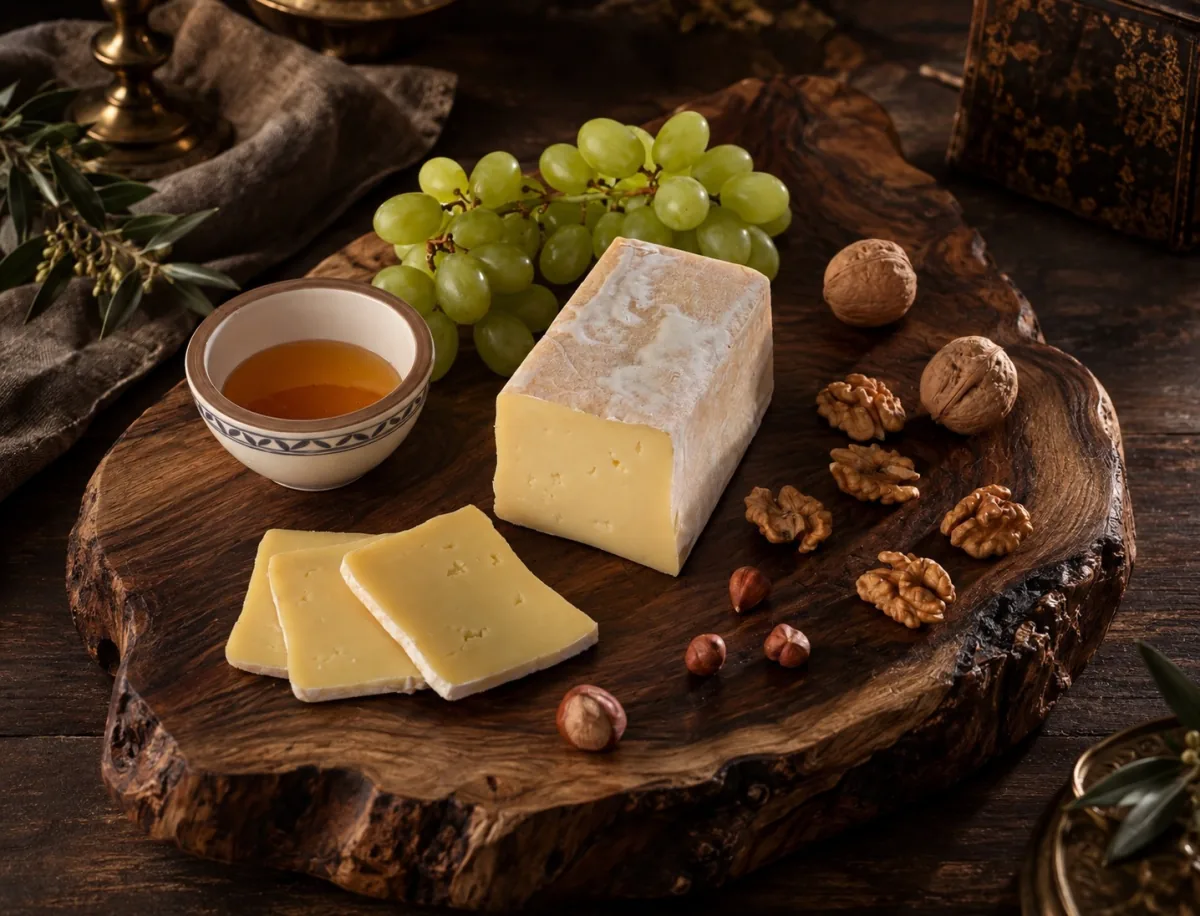
Grota Țaga
A place where time creates flavour.